A note from the StoryOS crew
One chef. Many hands.
Why we called it StoryOS, explained the only way we know how: with a kitchen.
Most small businesses we talk to run on a board they half trust. Columns, cards, a sticky note for every job. Send the bakery the flyer quote. Fine. But which job is that? Is the last invoice paid? Who promised what, and when?
The card doesn’t know. It was never told. A card that doesn’t know its customer is a sticky note, and a wall of sticky notes is how good businesses end up chasing their own tails. We wanted the opposite: a place where the work is tied to the business it belongs to.
Why “Story”
A business is a story told in real things. A customer has jobs. A job has tasks and an invoice. An order belongs to someone, and an enquiry might turn into a customer by Friday. None of that is abstract. It is just what happened, and what happens next.
StoryOS keeps that story connected, the way it is in real life. Your customers, your jobs, your invoices: records that know about each other. So when you, or your AI, open one, the rest of the story is right there.
Your AI reads the story so far, then writes the next page.
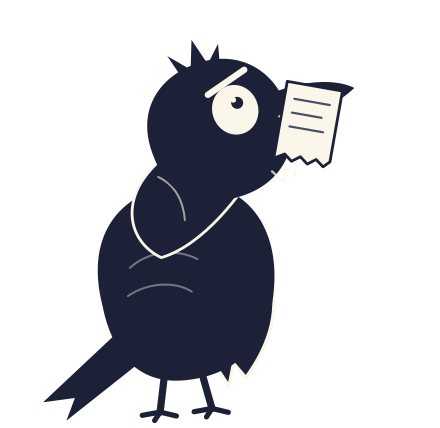
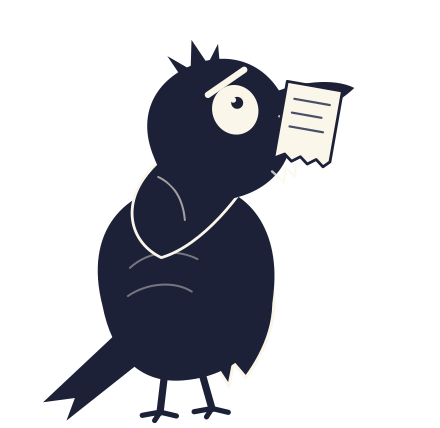
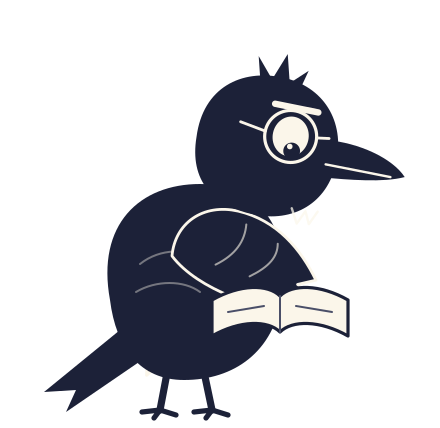
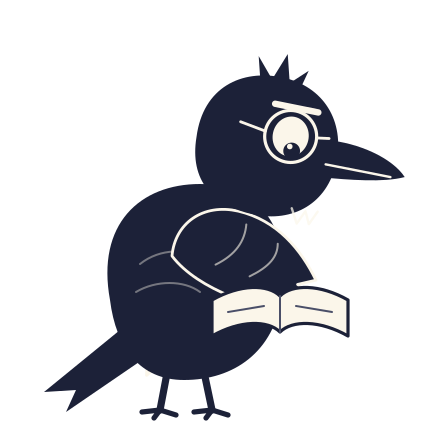
The next page is rarely grand. A draft reply. Three tasks on the right job, with owners and dates. A comment that says what it did and why. Small, concrete, on the record where your team can see it. (Ravens are storytellers, which is how Quill got the job.)
Why “OS”
Because it is the one place everything runs, not another app beside the others. You and your AI work in the same records, with the same tasks, the same permissions and the same history. Nobody keeps a private copy. When your AI changes something, the change is marked as the AI’s, under your name.1
That is the whole trick, really. One kitchen. One set of tickets. One chef who decides what goes out. And, for the first time, more hands than you can count.
Come into the kitchen
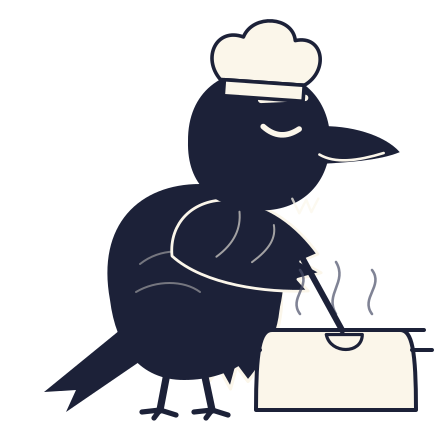
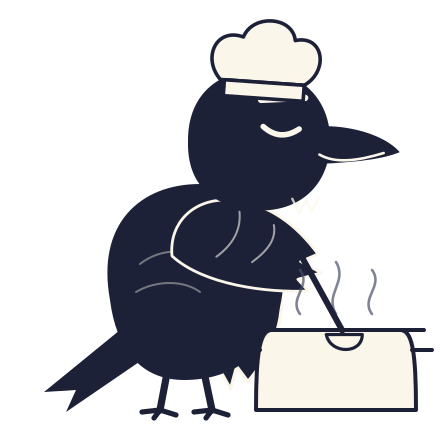
Here is how we picture it. You are the chef at the pass. You don’t chop every onion; you decide what leaves the kitchen. Your AI crew does the prep. Quill runs the plates. Everything in the room stands for something real in StoryOS, and the words beside the picture are the real ones.
The rail
Records
Every ticket on the rail is a record: a customer, a job, an order, an invoice. Each one has its own fields, its own page and its own history, and your AI reads the same tickets you do.
The pantry
Connected records
Each jar is one kind of thing: clients, jobs, orders, invoices, tasks. The strings between them are relations. A job knows its client, an invoice knows its job, so “how’s that client doing?” has one answer, for you and for your AI.
The stations
Views
Same tickets, worked at different stations: a board for stages, a calendar (month, week or day) for dates, a list for ticking off. Nothing is copied. Change a ticket at one station and it has changed at all of them.
The pass
Approvals
An admin can make two things stop at the pass: a delete by any AI, and a hired agent’s writes. A held move waits in your Inbox, and approving it applies exactly what was staged. Edits a connected assistant makes are not held; they are badged as the AI’s, under your name. Your AI cannot approve itself or change the gates.
Recipe shelf
Templates
A template is a kind of business, already written down: the records, how they link, the views. Install one, then hand your AI the first job. Some come with agents too; those install switched off until you turn them on.
The back door
Open source
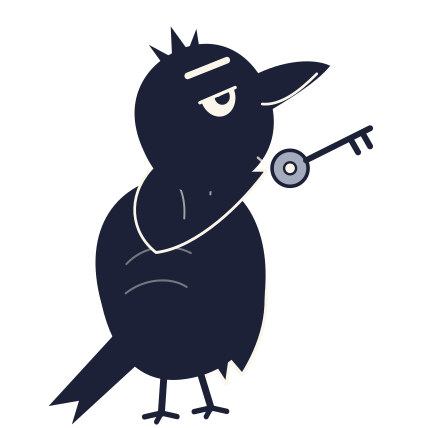
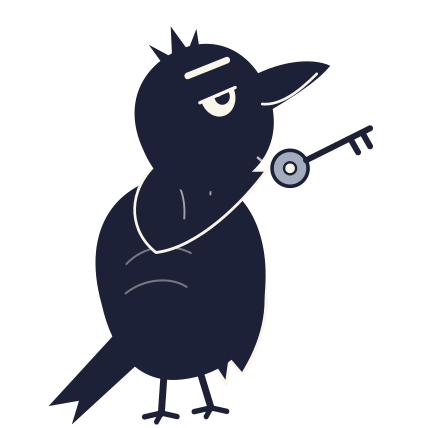
The kitchen has a back door, and you hold the key. StoryOS is AGPL-3.0, the same code we host, and you can run it on your own server.
Hover or tap a station, or tab through them.
-

The rail
Records
Every ticket on the rail is a record: a customer, a job, an order, an invoice. Each one has its own fields, its own page and its own history, and your AI reads the same tickets you do.
-

The pantry
Connected records
Each jar is one kind of thing: clients, jobs, orders, invoices, tasks. The strings between them are relations. A job knows its client, an invoice knows its job, so “how’s that client doing?” has one answer, for you and for your AI.
-

The stations
Views
Same tickets, worked at different stations: a board for stages, a calendar (month, week or day) for dates, a list for ticking off. Nothing is copied. Change a ticket at one station and it has changed at all of them.
-

The pass
Approvals
An admin can make two things stop at the pass: a delete by any AI, and a hired agent’s writes. A held move waits in your Inbox, and approving it applies exactly what was staged. Edits a connected assistant makes are not held; they are badged as the AI’s, under your name. Your AI cannot approve itself or change the gates.
-

Recipe shelf
Templates
A template is a kind of business, already written down: the records, how they link, the views. Install one, then hand your AI the first job. Some come with agents too; those install switched off until you turn them on.
The back door
Open source
The kitchen has a back door, and you hold the key. StoryOS is AGPL-3.0, the same code we host, and you can run it on your own server.


Two kinds of hands
You ask
Most of the time, you ask. In Claude or ChatGPT, the chat you already use, connected to StoryOS.2 What’s waiting for me today? Draft an update for every client. Turn these call notes into tasks on the website job. The answer comes from your real records, and the work lands on them. None of these runs on a timer; each happens when you ask.
Agents you hire
You can also hire an agent into the business, the way you’d give a station to a cook you trust. Hired agents are early access and run on your own computer, with your own Claude Code.3 Today, the way to get work done is to ask your AI; every draft waits for your yes. Ask your AI to draft the welcome packet and a first-week checklist for a new client: the Agency OS template includes an Onboarding Assistant for this (early access).
If you’d like to see it hour by hour, we wrote down a whole day. Read a day with StoryOS.
What stays yours
The say. An admin can make two things stop at the pass: a delete by any AI, and a hired agent’s writes. A held move waits in your Inbox, and approving it applies exactly what was staged. Edits a connected assistant makes are not held; they are badged as the AI’s, under your name. Your AI cannot approve itself, and it cannot change the gates.
The bill. Your AI is never metered by us. You pay Claude or ChatGPT directly, the way you already do.
The kitchen. StoryOS is open source under AGPL-3.0, the same code we host. If you’d rather cook at home, run it on your own server.
That’s it. You set the direction and taste what matters. The crew does the rest.
See a day with StoryOS or start free
— the StoryOS crew